
Blue Lake Pole
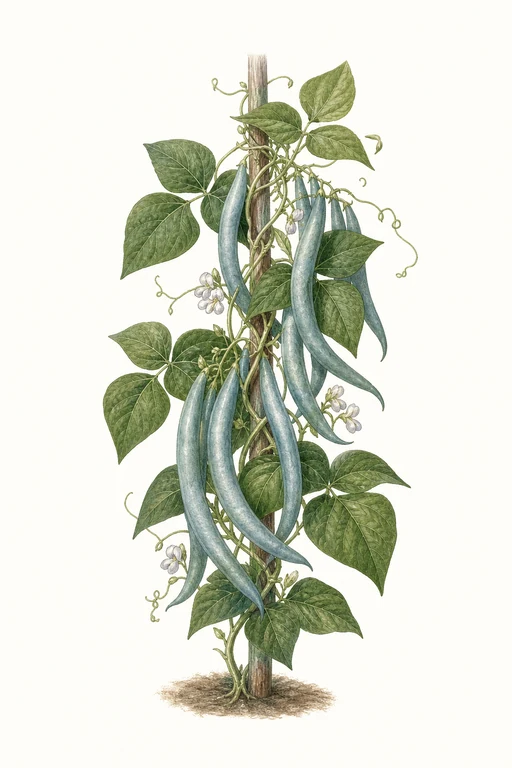
Cool, crisp snap meets a clean, sweet garden flavor in Blue Lake Pole—tender pods that stay remarkably slender as they mature.
Expect a vivid blue-green sheen with a fine, meaty texture that shines in fresh harvests and performs beautifully for roasting, stir-fries, and quick pickling. A classic pole bean for gardeners who want steady, upright production and a satisfying bite from the first picking through the season.
Light: Full SunMaturity: 55 DaysHabit: Indeterminate
Crop Dates : 8a
| Milestone | Date |
|---|---|
| Start Indoors | Direct Sow |
| Last Frost | Apr 1st |
| Transplant / Sow Outdoors | Apr 1st |
| Harvest Begins | May 26th |
| Harvest Ends | Nov 5th |
Crop Details
| Trait | Value |
|---|---|
| Days to Maturity | 55 |
| Sun Requirements | Full Sun |
| Growth Habit | Indeterminate |
| Support Needed | Trellis |
| Planting Depth | Normal |
| Germination Temp (°F) | 75 |
| Min Soil Temp (°F) | 60 |
| Min Night Temp (°F) | 50 |
| Harden Off (days) | Not Required |
Culinary Notes

Chef's Note
Blue Lake Pole beans earn their keep with a fine, meaty snap that doesn’t turn stringy as quickly as many runners—so they behave beautifully in fast cooking. They’re especially good when you keep them moving in heat (stir-fry or roast) or when you brighten them with lemon and fat for that crisp-sweet pop.

Best Uses
- quick skillet stir-fry where they stay slender and snappy
- roasting on high heat until blistered at the edges
- cold-weather fresh eating—blanched and dressed while still warm
- quick pickling for crunchy, blue-green snappiness

Flavor Profile

Frequently Asked Questions
What should I do if my Blue Lake pole beans develop white powdery spots or leaf yellowing?
How often should I water Blue Lake pole beans during the main growing phase to keep pods forming?
How can I tell when Blue Lake pole beans are ready to harvest?
Sowing Tips

Transplant Conditions
Wait until soil reaches 60°F and nights stay above 50°F before moving outdoors.
Expert Note

Direct sow after soil warms—pick frequently once pods start to set to keep yields high and pods crisp.