
Broadleaf
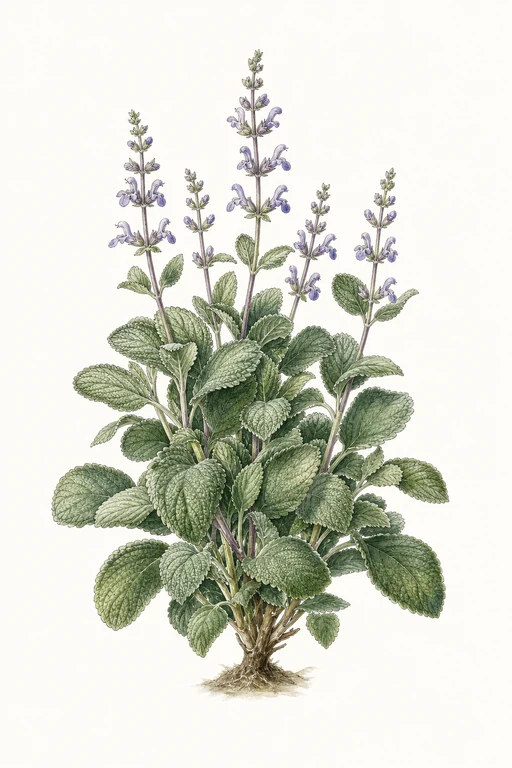
Fragrant and velvety, Broadleaf Sage fills the garden with a deep, herbaceous aroma and delivers broad, softly quilted leaves that feel substantial in the hand.
Its flavor is rich and savory with a gentle, cool edge—ideal for crafting bold herb blends and signature sauces, or for drying to capture its character for later use. Grow Broadleaf for a dependable, long-season harvest that turns beds and borders into a fragrant living tapestry.
Light: Full SunMaturity: 70 DaysHabit: Upright
Location not set yet
Location not set yet
Enter your ZIP for local crop dates
Broadleaf Planting Dates by USDA Zone
Estimated US hardiness-zone windows for sow, transplant, and harvest. Enter a US ZIP above for exact local dates, or open a zone below.
| Zone | Start Indoors | Sow / Transplant | Harvest |
|---|---|---|---|
| Zone 1a | Protected Environment Only | ||
| Zone 1b | Protected Environment Only | ||
| Zone 2a | Apr 13th | Jul 20th | Sep 28th – Aug 29th |
| Zone 2b | Apr 3rd | Jul 10th | Sep 18th – Aug 25th |
| Zone 3a | Apr 3rd | Jul 10th | Sep 18th – Sep 1st |
| Zone 3b | Apr 7th | Jul 14th | Sep 22nd – Sep 21st |
| Zone 4a | Apr 3rd | Jul 10th | Sep 18th – Sep 24th |
| Zone 4b | Apr 1st | Jul 8th | Sep 16th – Sep 27th |
| Zone 5a | Mar 27th | Jul 3rd | Sep 11th – Sep 30th |
| Zone 5b | Mar 23rd | Jun 29th | Sep 7th – Oct 5th |
| Zone 6a | Mar 20th | Jun 26th | Sep 4th – Oct 10th |
| Zone 6b | Mar 14th | Jun 20th | Aug 29th – Oct 16th |
| Zone 7a | Mar 9th | Jun 15th | Aug 24th – Oct 20th |
| Zone 7b | Feb 27th | Jun 5th | Aug 14th – Oct 28th |
| Zone 8a | Feb 18th | May 27th | Aug 5th – Nov 5th |
| Zone 8b | Feb 9th | May 18th | Jul 27th – Nov 12th |
| Zone 9a | Jan 23rd | May 1st | Jul 10th – Nov 26th |
| Zone 9b | Dec 29th | Apr 6th | Jun 15th – Dec 9th |
| Zone 10a | — | Oct 1st | Dec 10th – Feb 28th |
| Zone 10b | — | Oct 1st | Dec 10th – Feb 28th |
| Zone 11a | — | Oct 1st | Dec 10th – Feb 28th |
| Zone 11b | — | Oct 1st | Dec 10th – Feb 28th |
| Zone 12a | — | Oct 1st | Dec 10th – Feb 28th |
| Zone 12b | — | Oct 1st | Dec 10th – Feb 28th |
| Zone 13a | — | Oct 1st | Dec 10th – Feb 28th |
| Zone 13b | — | Oct 1st | Dec 10th – Feb 28th |
Crop Details
| Trait | Value |
|---|---|
| Days to Maturity | 70 |
| Sun Requirements | Full Sun |
| Growth Habit | Upright |
| Support Needed | None |
| Planting Depth | Normal |
| Germination Temp (°F) | 70 |
| Min Soil Temp (°F) | 60 |
| Min Night Temp (°F) | 50 |
| Harden Off (days) | 7 |
Culinary Notes

Chef's Note
Broadleaf sage has that substantial, velvety leaf feel and a savory bite that shows up even when the heat is mild—great for quick infusions and fast crisping. It’s built for brown-butter work and creamy pork pasta where its cool, earthy edge cuts through fat without tasting thin or wiry.

Best Uses
- pan-frying for sage brown-butter (crisps the edges fast without turning bitter)
- quick-chop into pork or sausage mixes
- slow simmering into creamy sauces for pasta and gnocchi
- drying and rehydrating for winter braises

Flavor Profile

Kitchen Pairings
Frequently Asked Questions
Why are my broadleaf leaves developing white, powdery patches and curling—what’s the fix?
How often should I water broadleaf during the main growth phase (to day ~70)?
How can I tell when broadleaf is ready to harvest at around 70 days?
Sowing Tips

Transplant Conditions
Wait until soil reaches 60°F and nights stay above 50°F before moving outdoors. Harden off for 7 days first.
Expert Note

Start sage in light, well-drained mix and transplant once nighttime temperatures are reliably warm to prevent slow, cold-stalled growth.