
Cocozelle
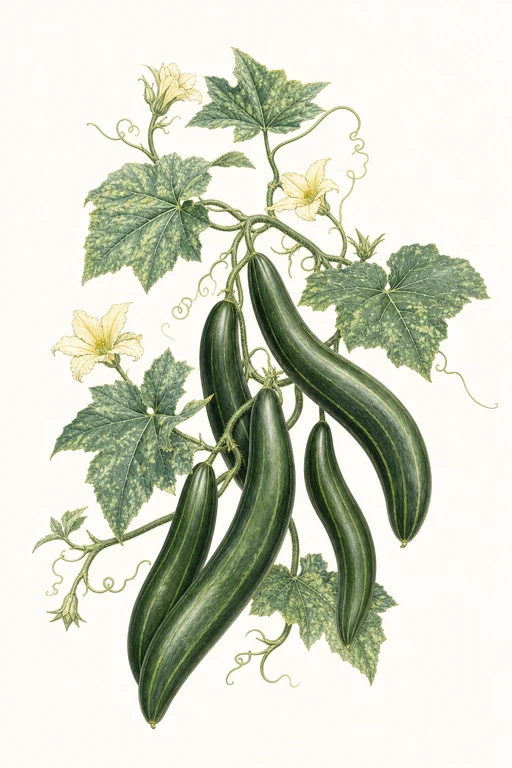
Tender and richly flavored, Cocozelle zucchini brings a velvety, deep-green skin that feels almost satin-smooth at harvest, with a sweet, garden-fresh interior that stays pleasantly crisp.
Its classic elongated silhouette matures in about 50 days, offering dependable productivity and a look that turns heads in the bed. Ideal for roasting, grilling, and sautéing, Cocozelle also shines in fresh preparations and quick pickles for a bright, tangy bite.
Light: Full SunMaturity: 50 DaysHabit: Vine
Planting schedules and alerts are optimized for Columbus (Zone 6b).
Crop Dates
| Milestone | Date |
|---|---|
| Start Indoors | Direct Sow |
| Last Frost | Apr 25th |
| Transplant / Sow Outdoors | Apr 25th |
| Harvest Begins | Jun 14th |
| Harvest Ends | Oct 16th |
Crop Details
| Trait | Value |
|---|---|
| Days to Maturity | 50 |
| Sun Requirements | Full Sun |
| Growth Habit | Vine |
| Support Needed | Trellis |
| Planting Depth | Normal |
| Germination Temp (°F) | 70 |
| Min Soil Temp (°F) | 65 |
| Min Night Temp (°F) | 55 |
| Harden Off (days) | Not Required |
Culinary Notes

Chef's Note
Cocozelle zucchini is built for heat: the flesh stays pleasantly crisp while the deep-green skin gives you browned, almost velvety edge flavor instead of going leathery. Slice it thick for grilling or thin for quick pickles—the sweetness reads best when it’s still firm.

Best Uses
- hot-griddle sauté—cut into half-moons so the edges brown before the centers go watery
- high-heat roasting or broiling with olive oil and salt for caramelized edges
- charred grill planks or batons for smoky, crisp-tender bites
- quick pickles (paper-thin slices) for a bright, tangy crunch

Flavor Profile

Frequently Asked Questions
Why are my Cucurbita pepo (Cocozelle) leaves getting yellow, powdery spots or curling, and what should I do?
How often should I water Cocozelle while it’s actively growing, and how do I know the soil moisture is right?
How can I tell when my Cocozelle zucchini (Cucurbita pepo) is ready to harvest?
Sowing Tips

Transplant Conditions
Wait until soil reaches 65°F and nights stay above 55°F before moving outdoors.

Direct Sow Preferred
Sensitive roots — does not transplant well. If starting indoors, use biodegradable pots and disturb roots as little as possible when moving outdoors.
Expert Note

Warm up soil thoroughly and transplant only when nights are consistently warm to avoid slow, root-stressed growth.