
Crimson Flowered
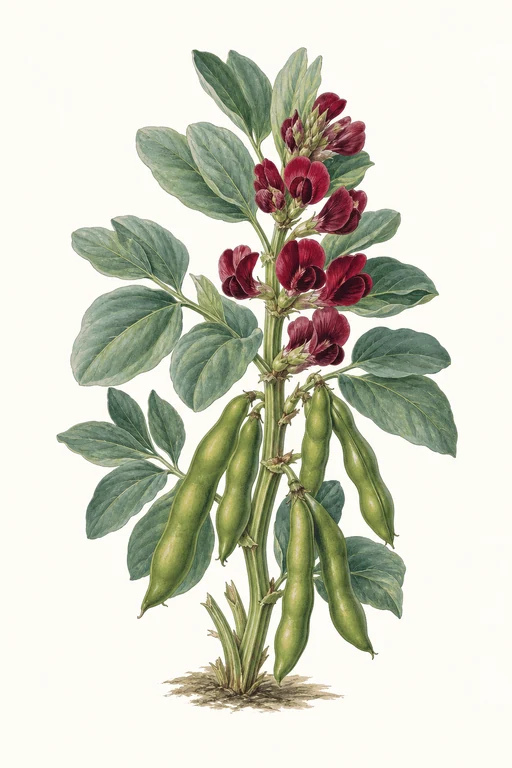
Crimson Flowered begins with a dramatic flush of velvety, wine-crimson blossoms that give way to stately pods and tender, richly flavored fava beans.
Expect a smooth, meaty bite with a sweet, green-bean depth—ideal for savoring at peak tenderness and for turning into bold, vibrant spreads and hearty legume mashes. Grow for both its ornamental bloom and its satisfying harvest, with plants that reward attention from first flower to the final pods.
Light: Full SunMaturity: 70 DaysHabit: Upright
Planting schedules and alerts are optimized for Columbus (Zone 6b).
Crop Dates
| Milestone | Date |
|---|---|
| Start Indoors | Direct Sow |
| Last Frost | Apr 25th |
| Transplant / Sow Outdoors | Apr 25th |
| Harvest Begins | Jul 4th |
| Harvest Ends | Oct 16th |
Crop Details
| Trait | Value |
|---|---|
| Days to Maturity | 70 |
| Sun Requirements | Full Sun |
| Growth Habit | Upright |
| Support Needed | None |
| Planting Depth | Normal |
| Germination Temp (°F) | 55 |
| Min Soil Temp (°F) | 40 |
| Min Night Temp (°F) | 28 |
| Harden Off (days) | Not Required |
Culinary Notes

Chef's Note
These favas lean into a meaty, tender bite that stays creamy rather than watery—ideal for early harvest when the beans taste like sweet green energy. Treat them gently (quick blanch, then peel if you want silkiness) and they’ll cling to fats like browned butter or olive oil without disappearing.

Best Uses
- briefly blanched and served warm with browned butter and lemon
- skin-on or peeled fava mash for thick spreads and scoops
- hearty legume mash for rustic bowls with olive oil and herbs
- folded into spring risotto or quick-cooked pasta sauces

Flavor Profile

Frequently Asked Questions
What pest or disease commonly affects Vicia faba (fava beans), and how can I manage it at home?
How often should I water Vicia faba during the main growing phase?
How can I tell when Vicia faba (fava beans) ‘Mammoth’ is ready to harvest?
Sowing Tips

Transplant Conditions
Wait until soil reaches 40°F and nights stay above 28°F before moving outdoors.
Expert Note

Sow fava beans early in cool weather because their roots dislike transplanting and they perform best with consistent spring soil moisture.