
Crown Prince
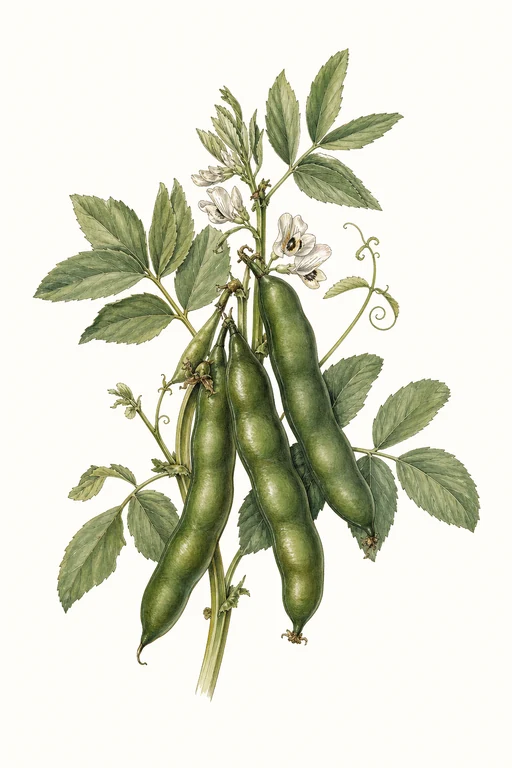
Sweet, creamy pods with a velvety snap—Crown Prince broad beans bring a lush, garden-fresh richness that feels almost buttery on the palate.
At maturity, the beans fill the pod with plump, tender texture and a gently nutty flavor, ideal for turning into comforting favorites and showcasing their natural sweetness. Grow Crown Prince for reliable, satisfying harvests from a sturdy, upright plant that makes every picking feel abundant.
Light: Full SunMaturity: 90 DaysHabit: Upright
Planting schedules and alerts are optimized for Columbus (Zone 6b).
Crop Dates
| Milestone | Date |
|---|---|
| Start Indoors | Direct Sow |
| Last Frost | Apr 25th |
| Transplant / Sow Outdoors | Apr 18th |
| Harvest Begins | Jul 17th |
| Harvest Ends | Oct 16th |
Crop Details
| Trait | Value |
|---|---|
| Days to Maturity | 90 |
| Sun Requirements | Full Sun |
| Growth Habit | Upright |
| Support Needed | None |
| Planting Depth | Normal |
| Germination Temp (°F) | 55 |
| Min Soil Temp (°F) | 40 |
| Min Night Temp (°F) | 28 |
| Harden Off (days) | Not Required |
Culinary Notes

Chef's Note
Crown Prince broad beans have that luxuriously creamy bite—snap at first, then a soft, buttery texture—so they don’t need heavy handling to taste sweet. Use them warm and simple (butter/lemon or olive oil/garlic) so the nutty flavor stays bright rather than getting muddied by starches.

Best Uses
- quick-boil and toss with butter and lemon for pods-to-beans eating
- pan sauté with olive oil and garlic, then finish with flaky salt
- purée into a thick, spoonable mash for crostini
- fold into warm pasta with parmesan and black pepper

Flavor Profile

Frequently Asked Questions
What’s the most common pest or disease problem for Vicia faba (fava/Crown Prince beans), and how do I treat it?
How often should I water Vicia faba during the main growing phase?
How can I tell when Crown Prince fava (Vicia faba) is ready to harvest?
Sowing Tips

Transplant Conditions
Wait until soil reaches 40°F and nights stay above 28°F before moving outdoors.
Expert Note

For best flavor, grow in cool weather and avoid transplanting—sow directly and keep the soil evenly moist until strong emergence.