
Emerite
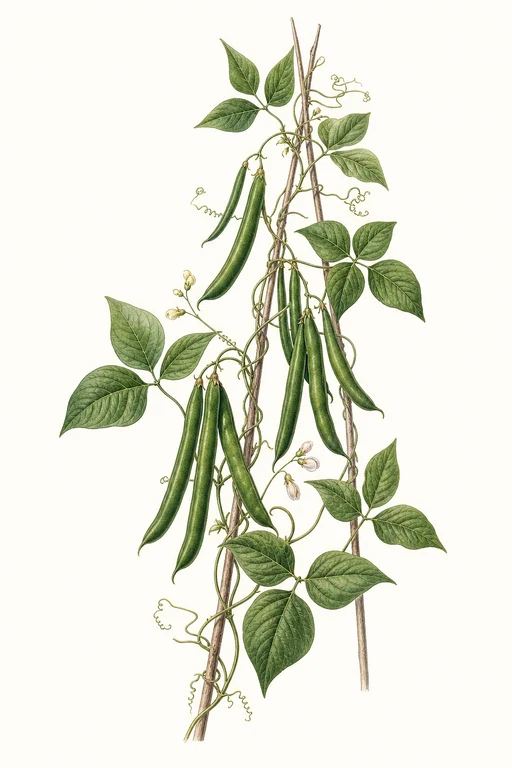
Emerite pole bean bursts with a crisp, clean snap and a sweet, garden-fresh flavor that feels luminous straight from the patch.
At maturity, the slender pods hold a tender, meaty bite with a smooth, lightly glossy skin—ideal for roasting to bring out caramel notes, or for fresh use in salads and quick tosses. Grow Emerite for reliable, steady harvests that turn your trellis into a living ribbon of flavor from early summer through the season’s peak.
Light: Full SunMaturity: 55 DaysHabit: Clumping
Planting schedules and alerts are optimized for Columbus (Zone 6b).
Crop Dates
| Milestone | Date |
|---|---|
| Start Indoors | Direct Sow |
| Last Frost | Apr 25th |
| Transplant / Sow Outdoors | Apr 25th |
| Harvest Begins | Jun 19th |
| Harvest Ends | Oct 16th |
Crop Details
| Trait | Value |
|---|---|
| Days to Maturity | 55 |
| Sun Requirements | Full Sun |
| Growth Habit | Clumping |
| Support Needed | Trellis |
| Planting Depth | Normal |
| Germination Temp (°F) | 75 |
| Min Soil Temp (°F) | 60 |
| Min Night Temp (°F) | 50 |
| Harden Off (days) | Not Required |
Culinary Notes

Chef's Note
Emerite pole beans give you that satisfying, crisp snap plus a sweet, meaty pod even as they mature—so they don’t turn soft and stringy in the pan. Use high heat to caramelize the edges and keep the skin glossy, then finish with lemon and olive oil to sharpen the sweetness.

Best Uses
- quick-sizzle in garlic butter for maximum snap
- toss into shaved fennel or mixed greens where they hold crunch under vinaigrette
- roast at high heat for browned edges and jammy sweetness
- lightly dress warm beans with lemon, olive oil, and herbs for a glossy, spoonable side

Flavor Profile

Frequently Asked Questions
What pest or disease most commonly affects Phaseolus vulgaris (common beans) and how do I manage it?
How often should I water Phaseolus vulgaris during the main growing phase?
How can I tell when Phaseolus vulgaris is ready to harvest?
Sowing Tips

Transplant Conditions
Wait until soil reaches 60°F and nights stay above 50°F before moving outdoors.
Expert Note

Direct-sow after soil warms and keep plants evenly watered; pick frequently at pencil-thin size to maintain stringless, crisp pods.