
Extra Precoce A Grano Violetto
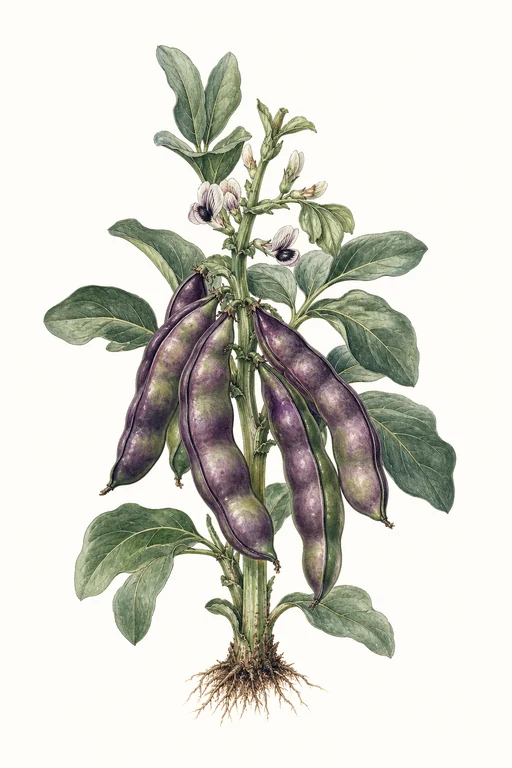
Velvety, violet-tinged pods give way to plump fava beans with a sweet, green-bean fragrance and a tender, creamy bite.
Extra Precoce A Grano Violetto is prized for its early, dependable maturity—ideal for gardeners who want rich flavor without waiting long. Grow it for fresh, spoonable enjoyment and for silky purées and hearty bean-forward dishes that celebrate its naturally buttery texture.
Light: Full SunMaturity: 70 DaysHabit: Upright
Planting schedules and alerts are optimized for Columbus (Zone 6b).
Crop Dates
| Milestone | Date |
|---|---|
| Start Indoors | Direct Sow |
| Last Frost | Apr 25th |
| Transplant / Sow Outdoors | Apr 25th |
| Harvest Begins | Jul 4th |
| Harvest Ends | Oct 16th |
Crop Details
| Trait | Value |
|---|---|
| Days to Maturity | 70 |
| Sun Requirements | Full Sun |
| Growth Habit | Upright |
| Support Needed | None |
| Planting Depth | Normal |
| Germination Temp (°F) | 50 |
| Min Soil Temp (°F) | 40 |
| Min Night Temp (°F) | 28 |
| Harden Off (days) | Not Required |
Culinary Notes

Chef's Note
Early favas like this one hit the sweet spot—tender enough to stay creamy without getting chalky, with a green-bean fragrance that practically begs for butter, lemon, and something bright like mint. Cook them fast (or purge them into a puree) so the flesh stays spoonable and velvety rather than firming up.

Best Uses
- shelled and quickly sautéed with butter, just until glossy
- purees like classic fava smash—silky, spoonable, lightly seasoned
- warm salads where the beans stay tender and hold a vinaigrette
- thickening a quick bean-forward ragù or spooning over fresh pasta

Flavor Profile

Frequently Asked Questions
What pest or disease is most common on Vicia faba (early broad/field beans), and how do I control it at home?
How often should I water Vicia faba during the main growing phase (around flowering and pod fill)?
How can I tell when Vicia faba is ready to harvest?
Sowing Tips

Transplant Conditions
Wait until soil reaches 40°F and nights stay above 28°F before moving outdoors.
Expert Note

For best flavor and early harvest, sow fava as soon as the soil can be worked in cool weather and keep the bed consistently moist until emergence.