
Gauche
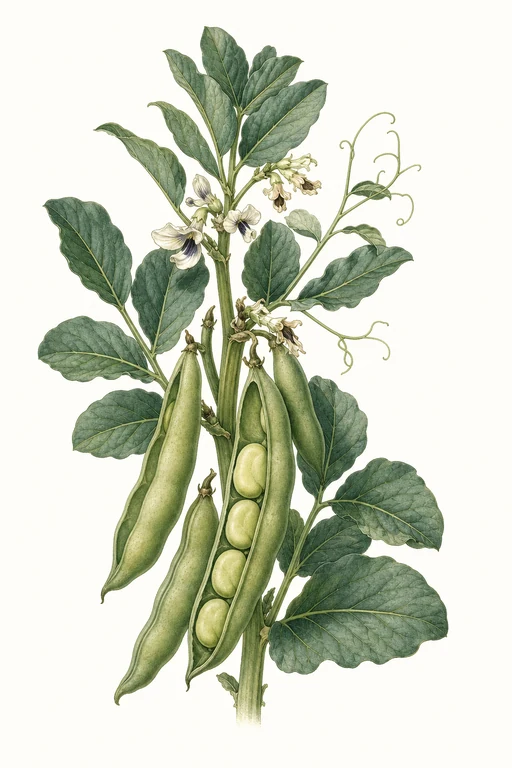
Sweetly fragrant pods open to reveal Gauche’s tender, velvety fava beans with a gentle, green-sweet depth and a creamy, spoonable texture when fully developed.
The plants mature in about 90 days, producing a steady harvest of plump kernels that feel lush and substantial in the hand. Grow Gauche for lush garden color and for showcasing beans in fresh preparations, silky purées, and hearty braises—especially when you want a rich, green flavor at its most delicate.
Light: Full SunMaturity: 90 DaysHabit: Upright
Planting schedules and alerts are optimized for Columbus (Zone 6b).
Crop Dates
| Milestone | Date |
|---|---|
| Start Indoors | Direct Sow |
| Last Frost | Apr 25th |
| Transplant / Sow Outdoors | Apr 25th |
| Harvest Begins | Jul 24th |
| Harvest Ends | Oct 16th |
Crop Details
| Trait | Value |
|---|---|
| Days to Maturity | 90 |
| Sun Requirements | Full Sun |
| Growth Habit | Upright |
| Support Needed | None |
| Planting Depth | Normal |
| Germination Temp (°F) | 60 |
| Min Soil Temp (°F) | 40 |
| Min Night Temp (°F) | 28 |
| Harden Off (days) | Not Required |
Culinary Notes

Chef's Note
Gauche is the kind of fava that stays creamy even when you treat it gently—its velvety texture makes it ideal for purées and spoonable sides where you can actually taste the bean. Pair it with sharp citrus and salty dairy so the green-sweet flavor pops instead of fading into the starch.

Best Uses
- shucked and blanched for a soft, bright bean salad with vinaigrette
- silky purée or mash that clings to toast and scoops
- quick sauté or pan-braise where the beans stay plush, not dry
- fold into risotto or pasta for a green, creamy core

Flavor Profile

Frequently Asked Questions
What pest or disease most often affects Vicia faba (broad/"gauche" bean), and how can I control it at home?
How often should I water Vicia faba during the main growing phase (after emergence through pod fill)?
How do I know when Vicia faba is ready to harvest around day ~90?
Sowing Tips

Transplant Conditions
Wait until soil reaches 40°F and nights stay above 28°F before moving outdoors.
Expert Note

For the best sweet, creamy pods, sow fava early and keep soil consistently moist through flowering while nights stay cool.