
Giant Windsor
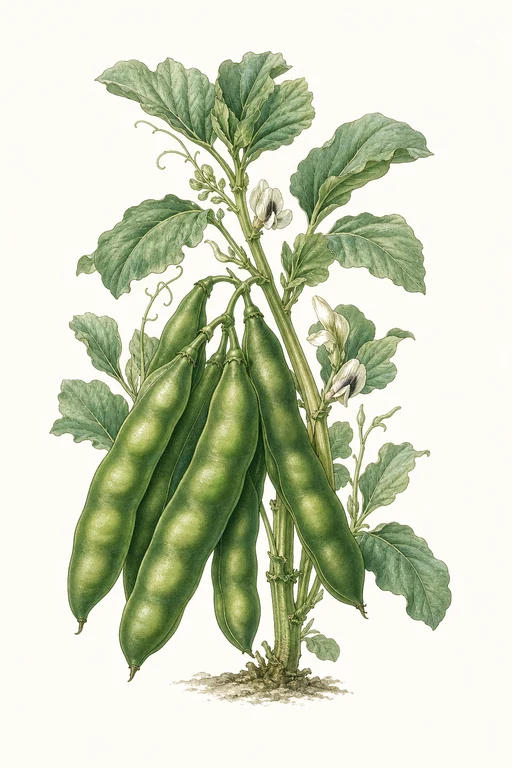
Sweetly fragrant and richly green, Giant Windsor fava beans develop into exceptionally large pods that feel substantial in the hand and open to reveal tender, pale-emerald seeds with a buttery, mellow flavor.
The texture is creamy and satisfying—ideal for showcasing at their peak when the beans are young and lush. Grow them for fresh shelling and for velvety purées and hearty spoonable dishes that celebrate their gentle sweetness.
Light: Full SunMaturity: 75 DaysHabit: Upright
Planting schedules and alerts are optimized for Columbus (Zone 6b).
Crop Dates
| Milestone | Date |
|---|---|
| Start Indoors | Direct Sow |
| Last Frost | Apr 25th |
| Transplant / Sow Outdoors | Apr 25th |
| Harvest Begins | Jul 9th |
| Harvest Ends | Oct 16th |
Crop Details
| Trait | Value |
|---|---|
| Days to Maturity | 75 |
| Sun Requirements | Full Sun |
| Growth Habit | Upright |
| Support Needed | None |
| Planting Depth | Normal |
| Germination Temp (°F) | 55 |
| Min Soil Temp (°F) | 40 |
| Min Night Temp (°F) | 28 |
| Harden Off (days) | Not Required |
Culinary Notes

Chef's Note
Giant Windsor’s whole point is that creamy, pale-emerald tenderness—when they’re young, they practically melt into a purée without needing heavy sauce. Their mellow sweetness loves bright acid and aromatic hits, so lemon, garlic, and herbs keep every spoonful tasting freshly green.

Best Uses
- fresh shelling and quick sauté with olive oil and salt
- velvety purée served warm with a squeeze of lemon
- hearty fava stew thickened to spoon-coating consistency
- toasting shelled beans and folding into grain bowls with herbs

Flavor Profile

Frequently Asked Questions
What pest or disease most commonly affects Vicia faba (giant broad beans), and how can I prevent it?
How often should I water Vicia faba during the main growing phase?
How do I know when Vicia faba ‘Giant Windsor’ is ready to harvest?
Sowing Tips

Transplant Conditions
Wait until soil reaches 40°F and nights stay above 28°F before moving outdoors.
Expert Note

Direct-sow fava beans as soon as the soil can be worked, because they thrive in cool weather and hate root disturbance.