
Henderson's Charleston Wakefield
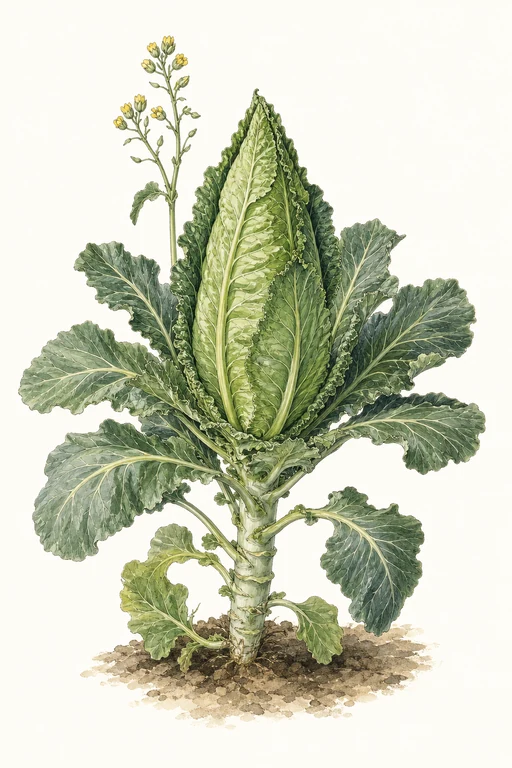
Sweetly fragrant and richly colored, Henderson’s Charleston Wakefield forms a tall, elegant cabbage head with a crisp, finely ribbed bite and a tender, pale interior.
Its elongated, pointed shape holds beautifully in the garden, delivering a steady crunch that shines in fresh salads, hearty slaws, and classic fermented or braised preparations. Grow this heritage favorite for a dependable harvest and a satisfying texture you’ll look forward to all season.
Light: Full SunMaturity: 75 DaysHabit: Rosette
Crop Dates : 13b
| Milestone | Date |
|---|---|
| Start Indoors | — |
| Climate | Frost-Free Climate |
| Transplant / Sow Outdoors | Oct 1st |
| Harvest Begins | Dec 15th |
| Harvest Ends | Feb 28th |
Crop Details
| Trait | Value |
|---|---|
| Days to Maturity | 75 |
| Sun Requirements | Full Sun |
| Growth Habit | Rosette |
| Support Needed | None |
| Planting Depth | Normal |
| Germination Temp (°F) | 45 |
| Min Soil Temp (°F) | 40 |
| Min Night Temp (°F) | 32 |
| Harden Off (days) | 6 |
Culinary Notes

Chef's Note
A heritage cabbage with a crisp, finely ribbed structure and a sweeter, less sharp cabbage perfume—this one stays lively in slaw and doesn’t turn mushy too fast. Use it in quick heat or fermentation where the pale interior can soften while the ribs keep the crunch.

Best Uses
- thin-sliced slaw that stays snappy under vinaigrette
- briskly braised wedges—caramelized edges, sweet core
- quick-pickled cabbage for tangy, crunchy crunch
- classic fermented cabbage for a clean, lively bite

Flavor Profile

Frequently Asked Questions
What pest or disease commonly affects Brassica oleracea var. capitata (cabbage) and how can I treat it?
How often should I water cabbage during the main growing phase (around the 6–10 week head-forming period)?
How do I tell when Henderson’s Charleston Wakefield cabbage is ready to harvest?
Sowing Tips

Transplant Conditions
Wait until soil reaches 40°F and nights stay above 32°F before moving outdoors. Harden off for 6 days first.
Expert Note

Keep soil consistently moist for optimal head formation.