
Koala
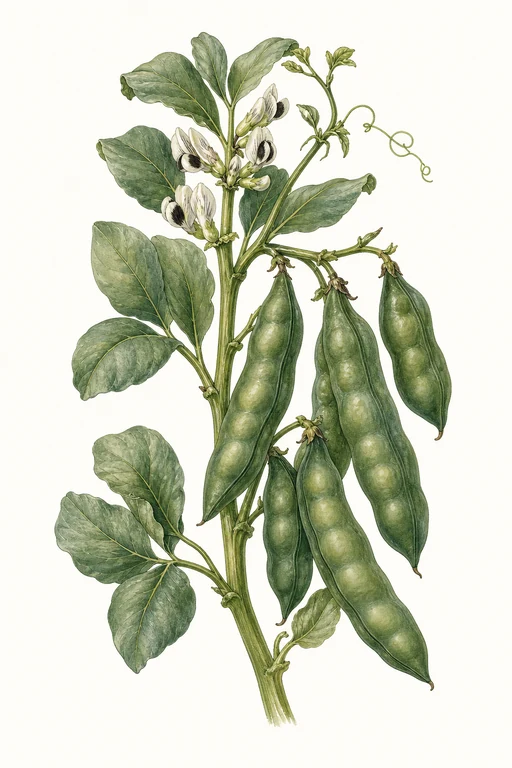
Velvety, sweet-savoury pods of Koala open to reveal plump, tender fava beans with a softly creamy interior and a gentle, green-bean fragrance.
The beans develop in a steady rhythm over roughly 55 days, offering a lush, substantial bite that shines in fresh preparations and shines again when simmered into rich, spoonable sauces or gently roasted for deeper, caramel-kissed notes. Grow Koala for a garden-to-table harvest that feels both abundant and refined—pods that look as good as they taste.
Light: Full SunMaturity: 55 DaysHabit: Bush
Planting schedules and alerts are optimized for Columbus (Zone 6b).
Crop Dates
| Milestone | Date |
|---|---|
| Start Indoors | Direct Sow |
| Last Frost | Apr 25th |
| Transplant / Sow Outdoors | Apr 25th |
| Harvest Begins | Jun 19th |
| Harvest Ends | Oct 16th |
Crop Details
| Trait | Value |
|---|---|
| Days to Maturity | 55 |
| Sun Requirements | Full Sun |
| Growth Habit | Bush |
| Support Needed | None |
| Planting Depth | Normal |
| Germination Temp (°F) | 55 |
| Min Soil Temp (°F) | 40 |
| Min Night Temp (°F) | 28 |
| Harden Off (days) | Not Required |
Culinary Notes

Chef's Note
Koala favas lean sweet and plush, with a creamy interior that doesn’t crumble—it stays spoonable and tender. They’re at their best when treated gently (blanch, quick sauté, or short simmer) so that delicate green-bean perfume and silkiness come through.

Best Uses
- blanched-and-shelled favas in a lemony olive oil toss
- quick simmering into a spoonable puree/sauce over pasta or crusty bread
- pan-searing or gentle roasting for caramel-kissed edges
- folding into spring salads for a creamy-meets-crisp contrast

Flavor Profile

Frequently Asked Questions
What pest or disease most often affects fava beans (Vicia faba), and how do I manage it?
How often should I water fava beans during the main growing phase?
How can I tell when fava beans (Vicia faba) are ready to harvest?
Sowing Tips

Transplant Conditions
Wait until soil reaches 40°F and nights stay above 28°F before moving outdoors.
Expert Note

Direct-sow fava beans as soon as the soil is workable and keep them evenly moist early for uniform emergence.