
Long Island Improved
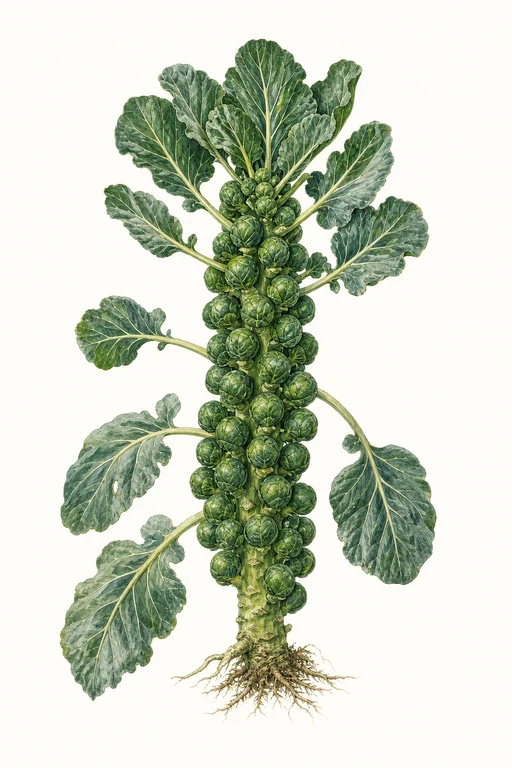
Sweet, nutty sprouts with a gentle, cabbage-kissed aroma—Long Island Improved forms dense, well-filled heads along a sturdy stalk, turning from crisp green to a richer, more luminous shade as the season cools.
The texture is notably tight and tender, with a pleasing bite that holds up beautifully in warm preparations and makes an elegant addition to seasonal platters. For gardeners seeking dependable performance in cool weather, this classic market type rewards patience with uniform, harvest-ready clusters.
Light: Full SunMaturity: 90 DaysHabit: Upright
Planting schedules and alerts are optimized for Columbus (Zone 6b).
Crop Dates
| Milestone | Date |
|---|---|
| Start Indoors | Mar 28th |
| Last Frost | Apr 25th |
| Transplant / Sow Outdoors | Apr 25th |
| Harvest Begins | Jul 24th |
| Harvest Ends | Oct 16th |
Crop Details
| Trait | Value |
|---|---|
| Days to Maturity | 90 |
| Sun Requirements | Full Sun |
| Growth Habit | Upright |
| Support Needed | None |
| Planting Depth | Normal |
| Germination Temp (°F) | 45 |
| Min Soil Temp (°F) | 45 |
| Min Night Temp (°F) | 35 |
| Harden Off (days) | 6 |
Culinary Notes

Chef's Note
Long Island Improved holds a tight, tender structure, so it stays pleasantly snappy in the pan instead of going to mush. Roast it hot for caramelized edges and a sweet, nutty center that plays cleanly with bacon, butter, mustard, and sharp lemon.

Best Uses
- high-heat roasting until the cut faces turn caramel-brown
- shaved or halved sprouts in a warm skillet with browned butter
- braised with a splash of stock and a squeeze of lemon for a silky finish
- holiday-style sheet-pan side with garlic and peppery greens

Flavor Profile

Frequently Asked Questions
What pest or disease commonly affects Brussels sprouts (Brassica oleracea var. gemmifera) and what should I do?
How often should I water Brussels sprouts during the main growing phase?
When are Brussels sprouts ready to harvest (Brassica oleracea var. gemmifera)?
Sowing Tips

Transplant Conditions
Wait until soil reaches 45°F and nights stay above 35°F before moving outdoors. Harden off for 6 days first.
Expert Note

Start indoors for sturdy transplants, then move out about a week before/around last frost so Brussels sprouts can establish in cool weather and set a long, steady sprout harvest.