
Mammoth Melting Sugar
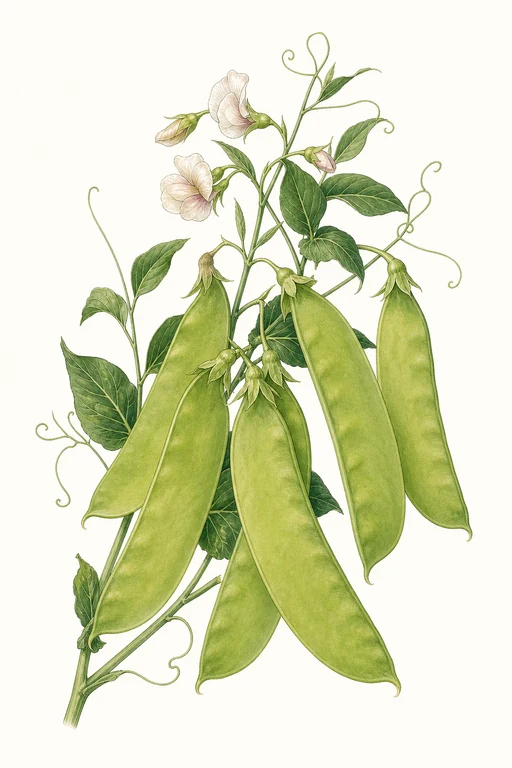
Tender pods that seem to melt on the tongue—Mammoth Melting Sugar snow peas bring a lush, sweet snap with a distinctly smooth, succulent bite.
At maturity, the extra-large pods hang in generous arcs, offering a crisp, juicy texture that stays pleasantly delicate even as the harvest window opens. Grow them for fresh snacking, bright stir-fries, and vibrant additions to spring salads, where their mild sweetness and clean pea flavor shine.
Light: Full SunMaturity: 68 DaysHabit: Clumping
Crop Dates : 8a
| Milestone | Date |
|---|---|
| Start Indoors | Direct Sow |
| Last Frost | Apr 1st |
| Transplant / Sow Outdoors | Apr 1st |
| Harvest Begins | Jun 8th |
| Harvest Ends | Nov 5th |
Crop Details
| Trait | Value |
|---|---|
| Days to Maturity | 68 |
| Sun Requirements | Full Sun |
| Growth Habit | Clumping |
| Support Needed | Trellis |
| Planting Depth | Normal |
| Germination Temp (°F) | 45 |
| Min Soil Temp (°F) | 40 |
| Min Night Temp (°F) | 28 |
| Harden Off (days) | Not Required |
Culinary Notes

Chef's Note
These extra-large snow pea pods earn their name: they crunch softly at first bite and then give way into something almost custardy, so they’re best treated like fresh produce rather than overcooked veg. Hit them with heat for only a moment—then finish bright (lemon/garlic or soy/butter) to keep that clean, sweet snap front and center.

Best Uses
- quick 30–60 second stir-fries where the pods stay glossy and intact
- raw snacking with flaky salt and citrus zest
- spring salads—toss at the last minute so they keep their succulent bite
- lightly steamed and finished with butter or olive oil to emphasize sweetness

Flavor Profile

Frequently Asked Questions
What pest or disease commonly affects Pisum sativum (garden peas), and what should I do if I see it?
How often should I water Pisum sativum during peak growth to keep pods developing?
How can I tell when Mammoth Melting Sugar peas (Pisum sativum) are ready to harvest?
Sowing Tips

Transplant Conditions
Wait until soil reaches 40°F and nights stay above 28°F before moving outdoors.
Expert Note

Sow snow peas as soon as the soil can be worked in spring; keep even moisture to maximize tender, sweet pods.