
One Ball
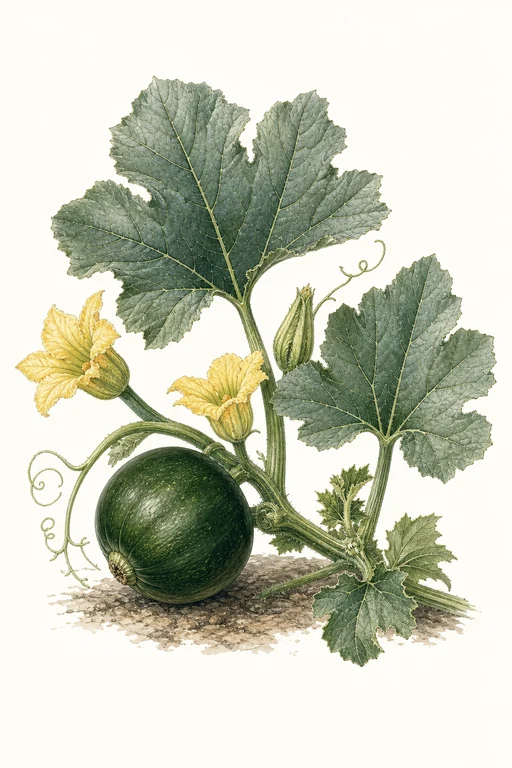
Silky-smooth and tender from the first harvest, One Ball zucchini offers a bright, fresh green skin with a softly rounded, compact form that feels almost hand-polished.
The flesh is crisp and fine-grained, delivering a mild, distinctly zucchini sweetness that shines whether you enjoy it straight from the garden or turn it into quick, vibrant dishes. For home gardeners seeking reliable early production in just 45 days, One Ball is a dependable choice for abundant, market-ready summer squash.
Light: Full SunMaturity: 45 DaysHabit: Vine
Planting schedules and alerts are optimized for Columbus (Zone 6b).
Crop Dates
| Milestone | Date |
|---|---|
| Start Indoors | Apr 18th |
| Last Frost | Apr 25th |
| Transplant / Sow Outdoors | May 2nd |
| Harvest Begins | Jun 16th |
| Harvest Ends | Oct 16th |
Crop Details
| Trait | Value |
|---|---|
| Days to Maturity | 45 |
| Sun Requirements | Full Sun |
| Growth Habit | Vine |
| Support Needed | Trellis |
| Planting Depth | Normal |
| Germination Temp (°F) | 70 |
| Min Soil Temp (°F) | 65 |
| Min Night Temp (°F) | 55 |
| Harden Off (days) | 10 |
Culinary Notes

Chef's Note
One Ball is that early zucchini sweet spot—young, fine-grained, and almost silky—so you can cook it hot and fast without turning it wet or spongy. I’d treat it like a crisp vegetable first, letting lemon, garlic, and olive oil (or parmesan) drive the flavor while the squash keeps its clean bite.

Best Uses
- quick sauté with high heat for fast browning without mush
- raw ribbons or thin batons in lemony salads where it stays crisp
- grill/char in thick half-moons for a sweet, smoky edge
- light pickling or quick fridge ceviche-style soak to keep snap

Flavor Profile

Frequently Asked Questions
Why are my Cucurbita pepo (Cucurbitaceae) plants getting powdery white spots on leaves, and what should I do?
How often should I water Cucurbita pepo during the main growing phase so it forms good fruit?
How can I tell when my Cucurbita pepo is ready to harvest at about 45 days?
Sowing Tips

Transplant Conditions
Wait until soil reaches 65°F and nights stay above 55°F before moving outdoors. Harden off for 10 days first.

Direct Sow Preferred
Sensitive roots — does not transplant well. If starting indoors, use biodegradable pots and disturb roots as little as possible when moving outdoors.
Expert Note

For best flavor and fewer pests, grow in full sun and harvest frequently when fruits are small (about hand-size) to keep plants producing.