
Redarling
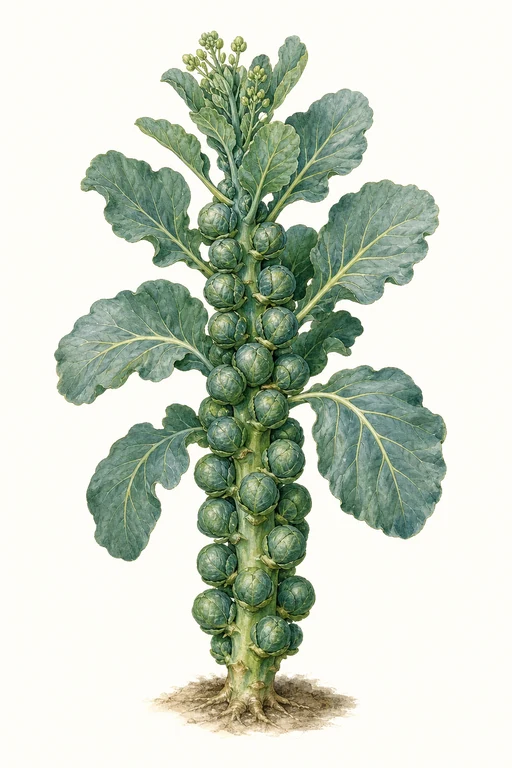
Sweetly nutty and gently peppered, Redarling Brussels sprouts form tight, jewel-bright heads that feel firm yet tender to the touch.
As they mature, the foliage turns richly blue-green and the sprouts develop a refined, compact silhouette—ideal for roasting until caramel-kissed at the edges, or for fresh, crisp salads and vibrant skillet-style sides. Grow Redarling for a dependable 85-day rhythm and a harvest that’s as beautiful as it is flavorful, with heads that hold their quality on the stalk.
Light: Full SunMaturity: 85 DaysHabit: Upright
Planting schedules and alerts are optimized for Columbus (Zone 6b).
Crop Dates
| Milestone | Date |
|---|---|
| Start Indoors | Mar 28th |
| Last Frost | Apr 25th |
| Transplant / Sow Outdoors | Apr 25th |
| Harvest Begins | Jul 19th |
| Harvest Ends | Oct 16th |
Crop Details
| Trait | Value |
|---|---|
| Days to Maturity | 85 |
| Sun Requirements | Full Sun |
| Growth Habit | Upright |
| Support Needed | None |
| Planting Depth | Normal |
| Germination Temp (°F) | 70 |
| Min Soil Temp (°F) | 40 |
| Min Night Temp (°F) | 32 |
| Harden Off (days) | 6 |
Culinary Notes

Chef's Note
Redarling’s tight heads and sweet-nutty, lightly peppered flavor are made for heat—roast hot to drive off bitterness and turn the edges caramel-kissed while the centers stay tender. If you’re eating them raw or lightly dressed, treat them like a sturdier green: shave thin and hit them with lemony acidity so they stay crisp instead of dull.

Best Uses
- high-heat roasting until the outer leaves blister and brown
- shredded or shaved in crisp salads with a sharp vinaigrette
- skillet sauté for quick browning with a glossy fat (butter/olive oil)
- sheet-pan roast with bacon or pancetta so the fat renders into the leaves

Flavor Profile

Frequently Asked Questions
What’s the most common disease problem for Brussels sprouts (Brassica oleracea var. gemmifera) and how do I prevent or treat it?
How often should I water Brussels sprouts during the main growing phase to keep them productive?
How can I tell when Brussels sprouts are ready to harvest (85 days)?
Sowing Tips

Transplant Conditions
Wait until soil reaches 40°F and nights stay above 32°F before moving outdoors. Harden off for 6 days first.
Expert Note

Start seeds indoors for sturdier transplants, then keep seedlings cool and well-lit to prevent legginess before setting them out for steady sprout development.