
Small Wonder
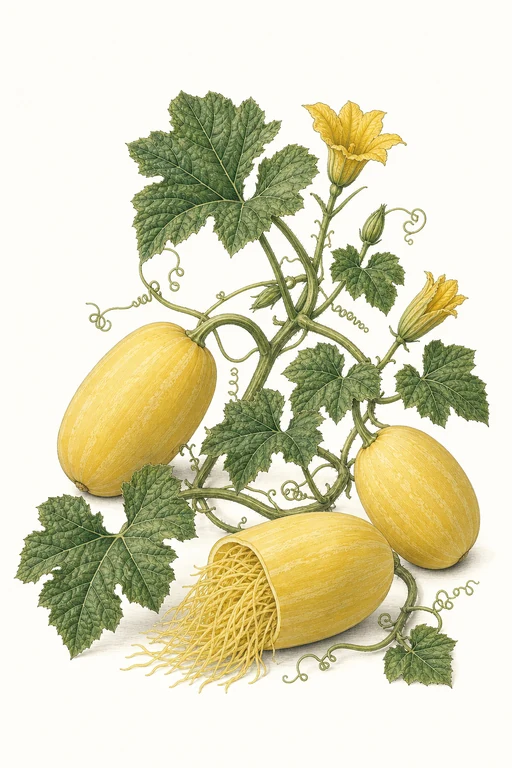
Tender strands spill in long, silky ribbons from the heart of Small Wonder spaghetti squash, with a gentle, sweet flavor and a pleasantly springy bite.
The fruits are compact and uniform at maturity, making them especially satisfying for home gardens where space is precious. Grow Small Wonder for roasting-ready squash that turns into elegant, strand-filled bowls and also shines when served fresh for light, bright meals and vibrant sauces.
Light: Full SunMaturity: 85 DaysHabit: Vine
Planting schedules and alerts are optimized for Columbus (Zone 6b).
Crop Dates
| Milestone | Date |
|---|---|
| Start Indoors | May 9th |
| Last Frost | Apr 25th |
| Transplant / Sow Outdoors | May 23rd |
| Harvest Begins | Aug 16th |
| Harvest Ends | Oct 16th |
Crop Details
| Trait | Value |
|---|---|
| Days to Maturity | 85 |
| Sun Requirements | Full Sun |
| Growth Habit | Vine |
| Support Needed | Trellis |
| Planting Depth | Normal |
| Germination Temp (°F) | 70 |
| Min Soil Temp (°F) | 65 |
| Min Night Temp (°F) | 55 |
| Harden Off (days) | 10 |
Culinary Notes

Chef's Note
Small Wonder’s compact fruits and naturally strand-structured flesh are made for heat that drives off moisture—roast until the strands separate, then toss so they stay springy instead of collapsing into puree. Its mild sweetness plays cleanly with sharp acids like lemon and sharp-edged fats like browned butter, letting the squash behave like a pasta substitute without tasting like one.

Best Uses
- roasted-then-tossed strand bowls with browned butter or olive oil
- quick sauté in high heat so the ribbons dry out and hold shape
- lighter sauces where it stays airy instead of turning mushy
- fresh, lightly dressed ribbon-style servings for a bright, springy texture

Flavor Profile

Frequently Asked Questions
How do I manage powdery mildew on Cucurbita pepo (spaghetti squash) in a home garden?
How often should I water Cucurbita pepo during the main growing phase?
How can I tell when my Cucurbita pepo spaghetti squash is ready to harvest at ~85 days?
Sowing Tips

Transplant Conditions
Wait until soil reaches 65°F and nights stay above 55°F before moving outdoors. Harden off for 10 days first.

Direct Sow Preferred
Sensitive roots — does not transplant well. If starting indoors, use biodegradable pots and disturb roots as little as possible when moving outdoors.
Expert Note

For the fastest start, warm soil with black plastic and train vines upward on a trellis once seedlings establish to save space.