
Sweet Lorane
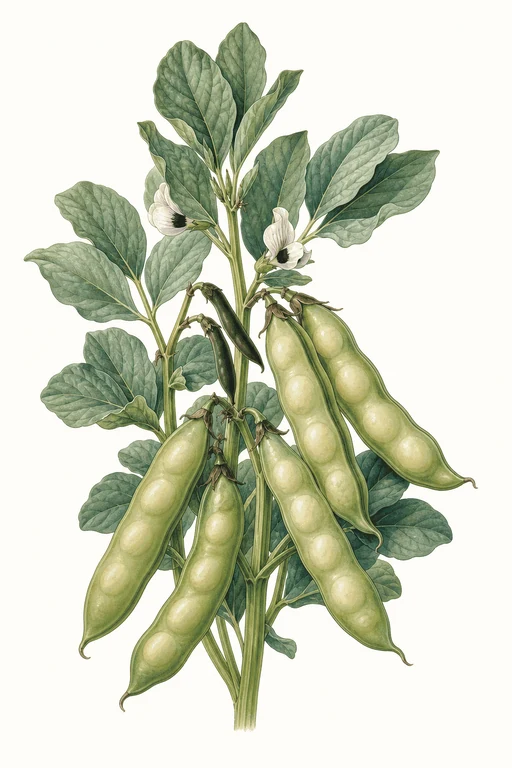
Sweet Lorane brings a lush, garden-fresh sweetness with tender, creamy beans that feel silky on the palate.
At maturity, the pods hold a satisfying, meaty texture and the seeds develop a bright, mellow flavor that shines in simple preparations—ideal for fresh shelling and for turning into smooth, spoonable spreads and hearty purées. Grow this 90-day favorite for a reliable harvest and a distinctly sweet, refined bite.
Light: Full SunMaturity: 90 DaysHabit: Upright
Planting schedules and alerts are optimized for Columbus (Zone 6b).
Crop Dates
| Milestone | Date |
|---|---|
| Start Indoors | Direct Sow |
| Last Frost | Apr 25th |
| Transplant / Sow Outdoors | Apr 25th |
| Harvest Begins | Jul 24th |
| Harvest Ends | Oct 16th |
Crop Details
| Trait | Value |
|---|---|
| Days to Maturity | 90 |
| Sun Requirements | Full Sun |
| Growth Habit | Upright |
| Support Needed | None |
| Planting Depth | Normal |
| Germination Temp (°F) | 60 |
| Min Soil Temp (°F) | 40 |
| Min Night Temp (°F) | 28 |
| Harden Off (days) | Not Required |
Culinary Notes

Chef's Note
Sweet Lorane favas lean sweet and creamy, with beans that turn smooth rather than grainy—so they’re made for buttery sautés and silky purées. Keep the prep simple: lemon and fat bring the sweetness up, while mint and garlic sharpen the finish.

Best Uses
- fresh shelling and quick sauté with butter and herbs
- warm pureé for a spoonable dip (finish with olive oil and lemon)
- chunky, spoon-thick salad with a mustardy vinaigrette
- slow-cooked bean purée or stew base for extra body

Flavor Profile

Frequently Asked Questions
What pest or disease is most likely on Vicia faba (broad beans) like Sweet Lorane, and how can I manage it?
How often should I water Vicia faba during the main growing phase, and what soil moisture level should I maintain?
How do I tell when Sweet Lorane broad beans are ready to harvest (Vicia faba)?
Sowing Tips

Transplant Conditions
Wait until soil reaches 40°F and nights stay above 28°F before moving outdoors.
Expert Note

For best sweetness and tender pods, keep soil evenly moist while plants are establishing, then water more lightly once pods begin to fill.