
Tendersweet
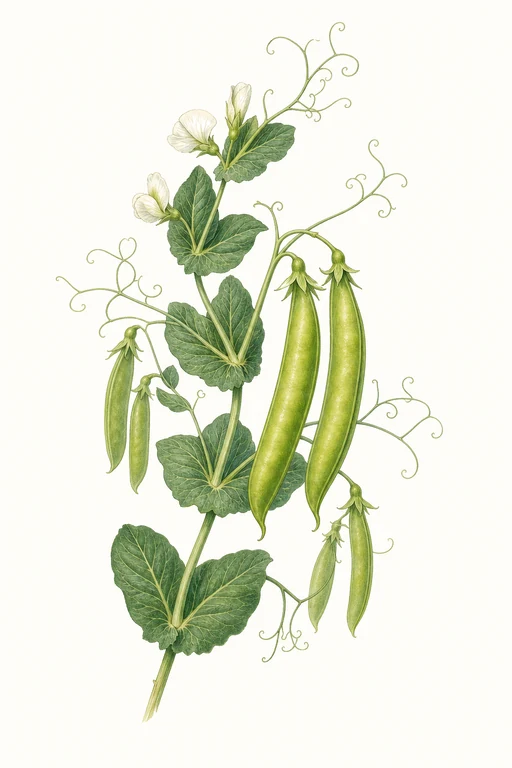
Sweet, tender pods arrive with a crisp snap and a vivid, garden-fresh sweetness that tastes as bright as spring itself.
Tendersweet snap peas produce slender, well-filled pods that stay pleasantly crisp at harvest, with peas that develop a delicate, sugary flavor and a fine, buttery texture. Grow for fresh snacking and vibrant stir-fries, or for quick pickling where their sweetness and crunch hold beautifully.
Light: Full SunMaturity: 55 DaysHabit: Upright
Crop Dates : 6b
| Milestone | Date |
|---|---|
| Start Indoors | Direct Sow |
| Last Frost | Apr 25th |
| Transplant / Sow Outdoors | Apr 25th |
| Harvest Begins | Jun 19th |
| Harvest Ends | Oct 16th |
Crop Details
| Trait | Value |
|---|---|
| Days to Maturity | 55 |
| Sun Requirements | Full Sun |
| Growth Habit | Upright |
| Support Needed | Trellis |
| Planting Depth | Normal |
| Germination Temp (°F) | 45 |
| Min Soil Temp (°F) | 40 |
| Min Night Temp (°F) | 28 |
| Harden Off (days) | Not Required |
Culinary Notes

Chef's Note
These slender snap pods hit with real sugar and a clean, glassy crunch—cook them fast or they’ll lose that snap. Their delicate, buttery pea sweetness loves fat (butter/sesame) plus a jolt of acid (lemon/vinegar) to sharpen the finish.

Best Uses
- hot wok stir-fries where they stay green and snappy
- fast sauté with butter and a squeeze of lemon to keep the sugar high
- quick pickling for candy-like crunch and bright acidity
- raw snacking or shaving into salads so they keep their snap

Flavor Profile

Frequently Asked Questions
What pest or disease most commonly affects Pisum sativum (tender sweet peas) and how can I control it?
How often should I water Pisum sativum during the main growing phase?
How do I know when Tendersweet peas (Pisum sativum var. macrocarpon) are ready to harvest?
Sowing Tips

Transplant Conditions
Wait until soil reaches 40°F and nights stay above 28°F before moving outdoors.
Expert Note

For peak sweetness, sow snap peas in cool weather and pick pods frequently before they toughen.