
White Emergo
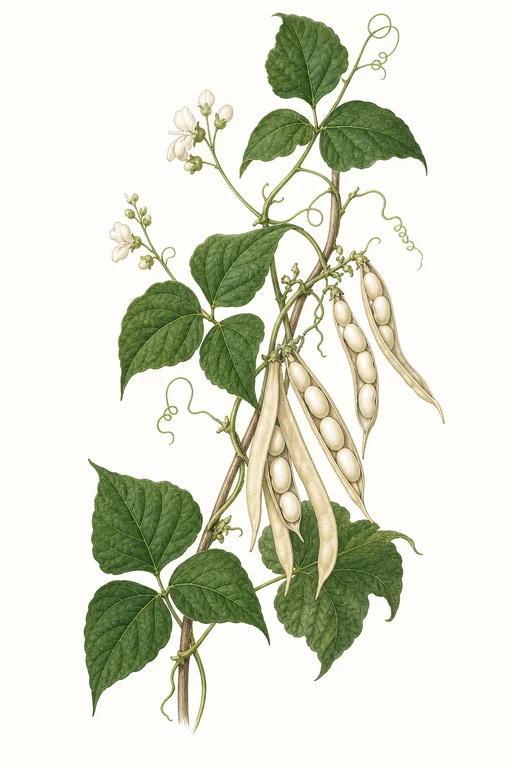
Silken, creamy-white pods of White Emergo mature to a harvest of pale, elegant dry beans with a clean, nutty depth and a pleasantly firm bite.
The seeds hold their shape beautifully, making them ideal for slow-simmered bean dishes, hearty soups, and rich purees—while their mild flavor also shines in salads once cooked. For the home gardener, this is a graceful pole bean that rewards patience: vigorous climbing growth, dependable pod set, and a refined, pantry-ready harvest in about 95 days.
Light: Full SunMaturity: 95 DaysHabit: Vine
Planting schedules and alerts are optimized for Columbus (Zone 6b).
Crop Dates
| Milestone | Date |
|---|---|
| Start Indoors | Direct Sow |
| Last Frost | Apr 25th |
| Transplant / Sow Outdoors | Apr 25th |
| Harvest Begins | Jul 29th |
| Harvest Ends | Oct 16th |
Crop Details
| Trait | Value |
|---|---|
| Days to Maturity | 95 |
| Sun Requirements | Full Sun |
| Growth Habit | Vine |
| Support Needed | Trellis |
| Planting Depth | Normal |
| Germination Temp (°F) | 65 |
| Min Soil Temp (°F) | 60 |
| Min Night Temp (°F) | 50 |
| Harden Off (days) | Not Required |
Culinary Notes

Chef's Note
White Emergo’s nutty-yet-mild profile and shape-holding seeds make it a stone-cold favorite for long simmering—nothing shatters or turns grainy when the pot goes low and slow. The resulting interior gets creamy without becoming mush, so you can go from soup to glossy purée to dressed salad beans with the same harvest.

Best Uses
- slow-simmered bean soups and broths where the beans need to stay intact
- rich, thick bean purees (blend until glossy, then loosen with stock)
- pantry-ready dry beans for long braises and cassoulet-style pot dinners
- cooked bean salad beans—well dressed, they stay springy instead of turning mealy

Flavor Profile

Frequently Asked Questions
What pest or disease most commonly affects Phaseolus coccineus (runner bean), and how do I treat it?
How often should I water Phaseolus coccineus during the main growing phase?
How can I tell when to harvest White Emergo runner beans?
Sowing Tips

Transplant Conditions
Wait until soil reaches 60°F and nights stay above 50°F before moving outdoors.
Expert Note

For pole beans grown for dry seed, keep soil evenly moist until flowering, then reduce watering to help pods mature and dry evenly.