
Windsor Fava
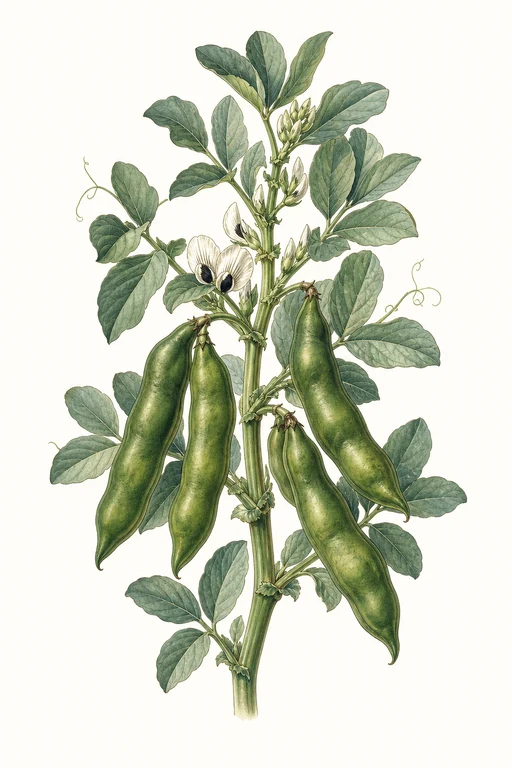
Sweetly fragrant pods open to reveal Windsor Fava’s richly flavored, tender beans—creamy and full-bodied, with a gentle, green-sweet character that feels almost buttery.
At maturity the plants carry substantial, upright pods that hold their plumpness for satisfying texture, whether you enjoy them fresh for a bright, spring-forward bite or let their depth shine in hearty preparations like soups, stews, and purées. Grow Windsor Fava for a cool-season harvest that tastes as generous as it looks in the garden.
Light: Full SunMaturity: 100 DaysHabit: Upright
Planting schedules and alerts are optimized for Columbus (Zone 6b).
Crop Dates
| Milestone | Date |
|---|---|
| Start Indoors | Direct Sow |
| Last Frost | Apr 25th |
| Transplant / Sow Outdoors | Apr 25th |
| Harvest Begins | Aug 3rd |
| Harvest Ends | Oct 16th |
Crop Details
| Trait | Value |
|---|---|
| Days to Maturity | 100 |
| Sun Requirements | Full Sun |
| Growth Habit | Upright |
| Support Needed | None |
| Planting Depth | Normal |
| Germination Temp (°F) | 55 |
| Min Soil Temp (°F) | 40 |
| Min Night Temp (°F) | 28 |
| Harden Off (days) | Not Required |
Culinary Notes

Chef's Note
Windsor fava delivers a creamy mouthfeel with a gentle, green-sweet perfume, which is why it holds up in purées without turning grainy or watery. Treat it like a centerpiece bean: brighten with lemon or mint, then let butter/olive oil coat each tender kernel.

Best Uses
- shucked-and-blanched favas tossed with browned butter and lemon zest
- quick braise or skillet sauté with garlic and olive oil for a silky texture
- purée (with a splash of pasta water or stock) for a thick, spoonable side
- soups and stews where the beans keep their body, not just their flavor

Flavor Profile

Frequently Asked Questions
What pest or disease commonly affects Vicia faba (Windsor fava), and what should I do?
How often should I water Windsor fava during the main growing phase?
How can I tell when Windsor fava is ready to harvest?
Sowing Tips

Transplant Conditions
Wait until soil reaches 40°F and nights stay above 28°F before moving outdoors.
Expert Note

Sow fava beans in cool weather as soon as the soil is workable for best flavor and to avoid heat stress during flowering.