SproutSmart
SproutSmart Intelligent Garden Sowing

Kestrel

Beet
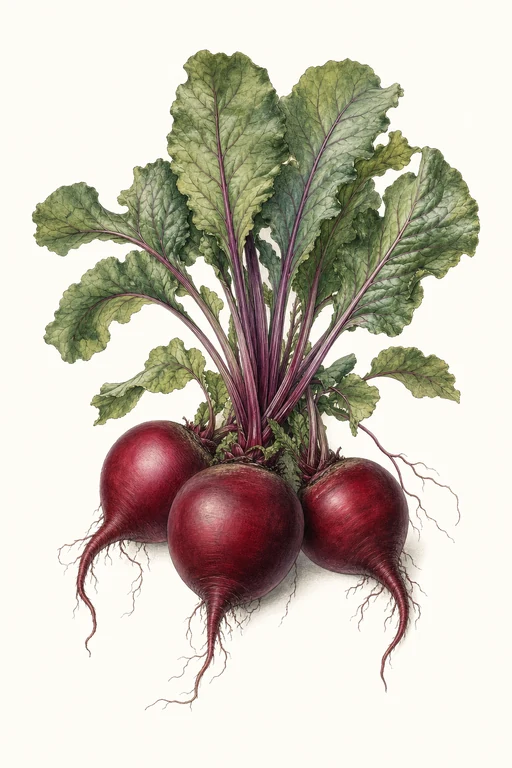
Botanical illustration of Kestrel
🌱 60d to harvest Taproot

Sweet, earthy-smooth flavor meets a richly colored, velvety interior in Kestrel red beets—an eye-catching choice for gardeners wh…

Planting Schedule

Add Kestrel to your garden to build a schedule and get reminders.

Crop Dates

MilestoneDate
Start IndoorsDirect Sow
Last FrostMay 15th
Transplant / Sow OutdoorsMay 15th
Harvest BeginsJul 14th
Harvest EndsSep 1st

Crop Details

TraitValue
Days to Maturity60
Sun RequirementsFull SunFull sun
Growth HabitTaproot
Support NeededNone
Planting DepthNormal
Germination Temp (°F)55
Min Soil Temp (°F)45
Min Night Temp (°F)28
Harden Off (days)Not Required

Frequently Asked Questions


What pest or disease most often affects Beta vulgaris (beet) and how can I manage it in my garden?
Beet leaf spot and Cercospora leaf spot show up as small, tan to dark spots with yellowing leaves; infected foliage can quickly weaken plants before roots fill. Remove affected leaves early, improve airflow by spacing plants properly, and avoid wetting leaves when you water; if problems are persistent, use an approved copper-based fungicide according to label directions. For pests, watch for aphids—spray plants with a strong jet of water and use insecticidal soap if infestations build.
How often should I water Beta vulgaris during the main growth phase for best root development?
During root bulking (roughly weeks 4–8 after emergence), keep soil consistently evenly moist—about 1 inch (2.5 cm) per week total, adjusted for rainfall and heat. Water deeply to moisten the root zone, then let the top 1 inch of soil dry slightly before watering again to prevent splitting and shallow, woody roots. Mulch lightly to reduce moisture swings, which beets hate.
How do I tell when Beta vulgaris is ready to harvest?
Harvest when roots reach the size listed on your seed packet (commonly about 1.5–3 inches / 4–7.5 cm in diameter) and before they get overly large or woody. The best indicator is a visible bulge at the soil line with firm roots; leaves should be healthy green, not collapsed. For peak tenderness, harvest about 60 days from sowing (or when most plants are at that stage), lifting gently with a fork.
Botanical illustration of Kestrel

Sweet, earthy-smooth flavor meets a richly colored, velvety interior in Kestrel red beets—an eye-catching choice for gardeners who savor deep crimson beauty. The roots develop with a tender, fine-grained texture and a classic round form that stays vibrant from harvest through storage. Grow Kestrel for standout roasted slices, vivid fresh salads, and richly tinted sauces that showcase its clean, balanced beet character.

Sowing Tips

Transplant Conditions

Wait until soil reaches 45°F and nights stay above 28°F before moving outdoors.

Expert Note

Sow in loose, stone-free soil and thin early for uniform roots; avoid transplanting to prevent root malformation.