
Savoy Express
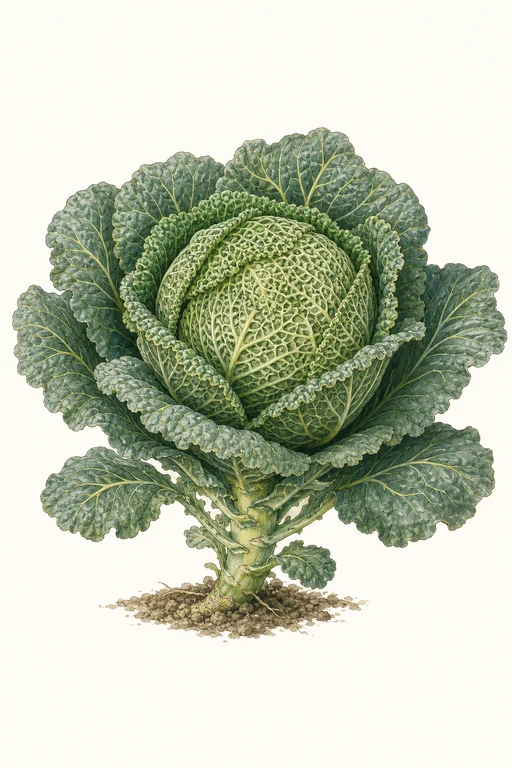
Savoy Express unfurls with a lush, deeply crinkled canopy that feels like velvet under the fingertips—its tight head forms a handsome, compact silhouette with cool, blue-green tones.
Expect a crisp, tender bite and a gentle sweetness that shines whether you enjoy it fresh or turn it into hearty favorites. Savoy Express is a standout for gardeners who want dependable, 70-day performance and a striking texture that elevates every harvest basket.
Light: Full SunMaturity: 70 DaysHabit: Rosette
Location not set yet
Location not set yet
Enter your ZIP for local crop dates
Savoy Express Planting Dates by USDA Zone
Estimated US hardiness-zone windows for sow, transplant, and harvest. Enter a US ZIP above for exact local dates, or open a zone below.
| Zone | Start Indoors | Sow / Transplant | Harvest |
|---|---|---|---|
| Zone 1a | Protected Environment Only | ||
| Zone 1b | Protected Environment Only | ||
| Zone 2a | Apr 27th | May 18th | Jul 27th – Aug 29th |
| Zone 2b | Apr 17th | May 8th | Jul 17th – Aug 25th |
| Zone 3a | Apr 17th | May 8th | Jul 17th – Sep 1st |
| Zone 3b | Apr 21st | May 12th | Jul 21st – Sep 21st |
| Zone 4a | Apr 17th | May 8th | Jul 17th – Sep 24th |
| Zone 4b | Apr 15th | May 6th | Jul 15th – Sep 27th |
| Zone 5a | Apr 10th | May 1st | Jul 10th – Sep 30th |
| Zone 5b | Apr 6th | Apr 27th | Jul 6th – Oct 5th |
| Zone 6a | Apr 3rd | Apr 24th | Jul 3rd – Oct 10th |
| Zone 6b | Mar 28th | Apr 18th | Jun 27th – Oct 16th |
| Zone 7a | Mar 23rd | Apr 13th | Jun 22nd – Oct 20th |
| Zone 7b | Mar 13th | Apr 3rd | Jun 12th – Oct 28th |
| Zone 8a | Mar 4th | Mar 25th | Jun 3rd – Nov 5th |
| Zone 8b | Feb 23rd | Mar 16th | May 25th – Nov 12th |
| Zone 9a | Feb 6th | Feb 27th | May 8th – Nov 26th |
| Zone 9b | Jan 12th | Feb 2nd | Apr 13th – Dec 9th |
| Zone 10a | — | Oct 1st | Dec 10th – Feb 28th |
| Zone 10b | — | Oct 1st | Dec 10th – Feb 28th |
| Zone 11a | — | Oct 1st | Dec 10th – Feb 28th |
| Zone 11b | — | Oct 1st | Dec 10th – Feb 28th |
| Zone 12a | — | Oct 1st | Dec 10th – Feb 28th |
| Zone 12b | — | Oct 1st | Dec 10th – Feb 28th |
| Zone 13a | — | Oct 1st | Dec 10th – Feb 28th |
| Zone 13b | — | Oct 1st | Dec 10th – Feb 28th |
Crop Details
| Trait | Value |
|---|---|
| Days to Maturity | 70 |
| Sun Requirements | Full Sun |
| Growth Habit | Rosette |
| Support Needed | None |
| Planting Depth | Normal |
| Germination Temp (°F) | 75 |
| Min Soil Temp (°F) | 45 |
| Min Night Temp (°F) | 30 |
| Harden Off (days) | 6 |
Culinary Notes

Chef's Note
This savoy cabbage earns its keep with that tight, crinkled leaf texture—shred it and it stays crisp under dressing, or cook it and the folds melt into silky sweetness without turning mushy. Expect a gentler brassica edge than most cabbages, so it plays especially well with fatty, salty partners and a bright hit of acid.

Best Uses
- thin shreds for crunchy slaws and cabbage salads
- sauté or stir-fry so the leaves blister and stay pleasantly snappy
- steam and fold into buttered noodles or potato hashes
- braise with stock to make silky, spoon-tender cabbage

Flavor Profile

Frequently Asked Questions
What pest or disease is most likely on Brassica oleracea var. capitata (savoy) and how do I control it?
How often should I water Brassica oleracea var. capitata during the main head-forming phase?
How can I tell when savoy cabbage is ready to harvest?
Sowing Tips

Transplant Conditions
Wait until soil reaches 45°F and nights stay above 30°F before moving outdoors. Harden off for 6 days first.
Expert Note

For the sweetest flavor, keep soil evenly moist and transplant on a cool, cloudy day to reduce stress on young cabbage plants.